
Highlights
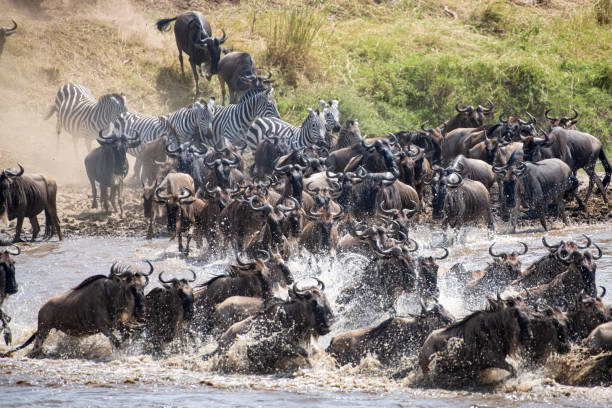
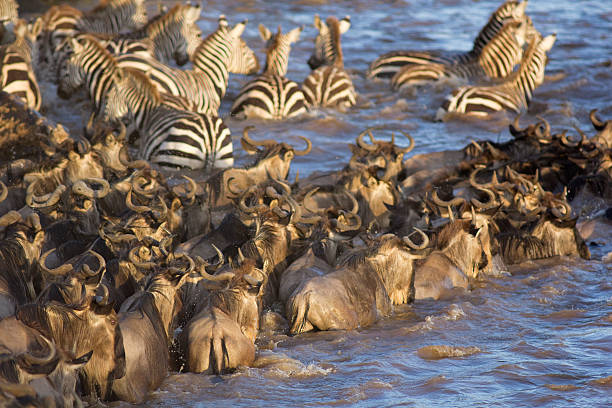
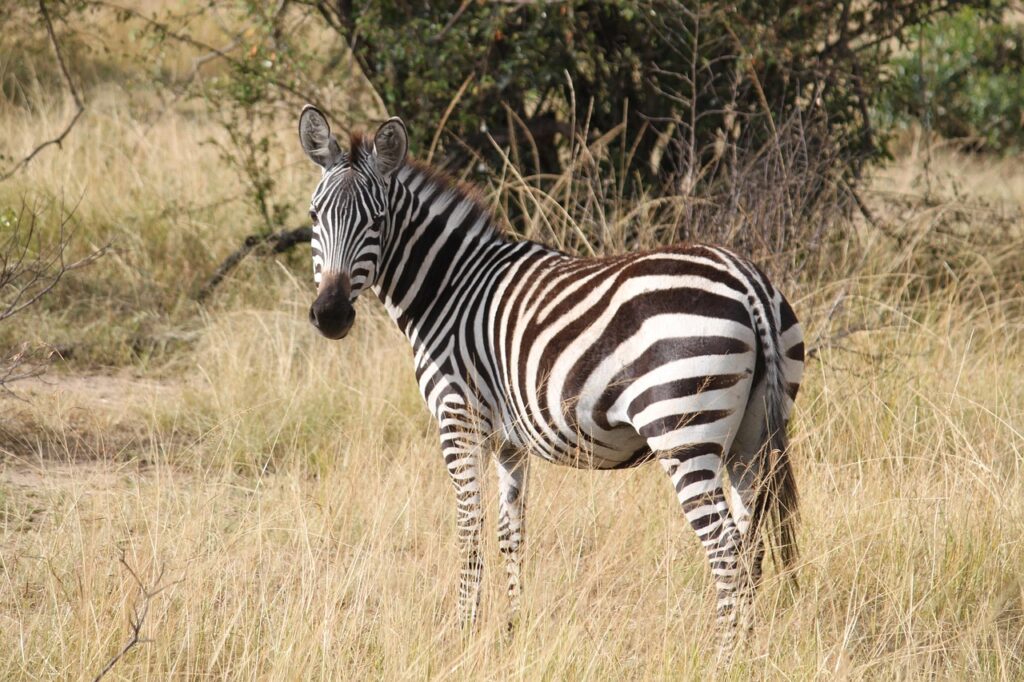
The Great Wildebeest Migration is the largest overland migration on Earth, with 1.5+ million wildebeests, zebras, and gazelles moving across the Serengeti in a dramatic circle of life. Our 4 Days Serengeti Migration Safari gives you more time inside the park than a short safari, ensuring the best chance to witness massive herds, predator-prey interactions, and stunning Serengeti landscapes.
This safari covers both the journey into the Serengeti and multiple days of game drives in prime migration areas—whether it’s the Ndutu calving season, Western Grumeti crossings, or Northern Mara River crossings. Perfect for travelers who want a deeper migration experience without committing to a week-long safari.
Tour Highlights
- Witness the Great Wildebeest Migration across the Serengeti.
- Extended game drives in migration hotspots.
- Opportunity to see Big Five and predators in action.
- Iconic Mara River or Grumeti River crossings (seasonal).
- Stunning scenic drive via the Ngorongoro Highlands.
- Overnight stays in the heart of Serengeti for full immersion.
Why Choose the 4 Days Serengeti Migration Safari?
- More time in Serengeti than shorter trips, giving higher chances to witness dramatic migration events.
- Well-balanced itinerary with 2 full days inside the park.
- Tailored to migration seasons—calving, river crossings, or grazing plains.
- Comfortable accommodation options (budget to luxury).
- Ideal for travelers who want an intense wildlife experience but are short on time.
Day by Day Tour Itinerary Expand all
-
Day 1: Arusha / Moshi – Serengeti National Park
The journey begins with a morning pick-up from Arusha or Moshi. Drive through the scenic Ngorongoro Highlands, with a chance to stop for photos at the Ngorongoro Crater viewpoint. By afternoon, you’ll arrive in Serengeti and begin your first game drive en route to camp. Expect to see giraffes, elephants, buffalo, and possibly big cats. Dinner and overnight stay in Serengeti.
-
Day 2: Serengeti Full-Day – Migration Hotspots
After an early breakfast, you’ll spend the entire day on game drives in prime migration zones. Depending on the season, you might explore:
- Ndutu Plains (Dec–March): Wildebeest calving season with predators lurking.
- Western Serengeti (April–June): Grumeti River crossings.
- Northern Serengeti (July–Oct): Witnessing the dramatic Mara River crossings.
Lunch will be served picnic-style in the bush, followed by more wildlife viewing until evening. Return to camp for dinner under the Serengeti stars.
-
Day 3: Serengeti Full-Day – Tracking the Herds
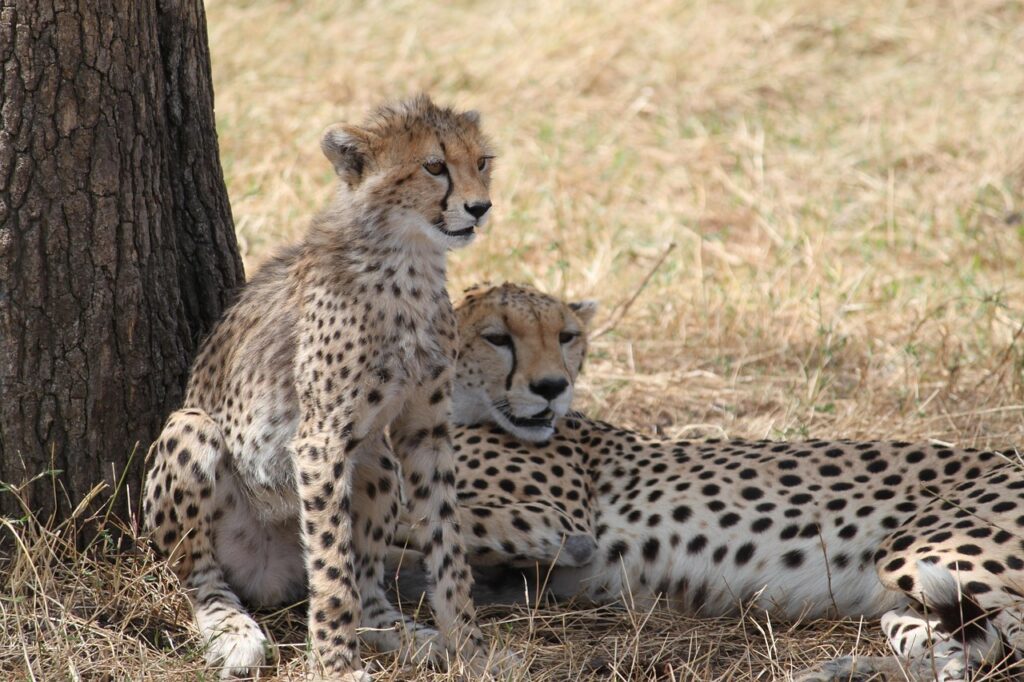
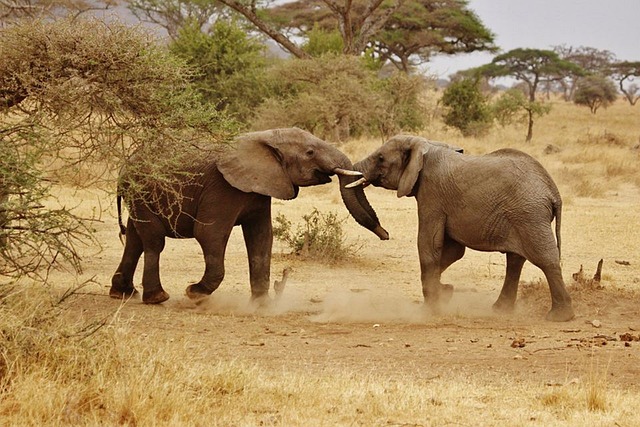
Another full day dedicated to tracking the migration herds. Your guide will position you in the best locations for sightings, whether it’s following vast herds across open plains or waiting near rivers where crossings occur. Along the way, you’ll likely encounter lions, cheetahs, hyenas, leopards, and massive elephant herds. By evening, return to your lodge/tented camp for relaxation.
-
Day 4: Serengeti – Arusha / Moshi
Enjoy an early morning game drive for last-minute wildlife sightings. After breakfast, you’ll depart Serengeti, driving back through Ngorongoro Highlands towards Arusha or Moshi. Arrival in the late afternoon marks the end of your unforgettable 4 Days Serengeti Migration Safari.
Tour Includes & Excludes
- 4x4 safari vehicle with pop-up roof
- Accommodation (lodges/tented camps/camping)
- Bottled drinking water during safari
- Government taxes & VAT
- Park entry fees
- Three meals per day
- Professional English-speaking driver-guide
- Travel insurance
- International flights
- Optional activities (balloon safari, cultural visits, walking safaris)
- Personal expenses (laundry, phone, internet, etc.)
- Tips for driver-guide & camp staff
- Visa fees
Gallery
FAQ's Expand all
-
1. When is the best time to visit Tanzania for safari?
The best time is during the dry season (June–October) for excellent wildlife viewing. The wildebeest migration is best seen between December–July in Serengeti.
-
2. Do I need a visa to visit Tanzania?
Yes. Most visitors require a tourist visa, which can be obtained online (e-visa) or on arrival at the airport.
-
3. What animals can I see on safari?
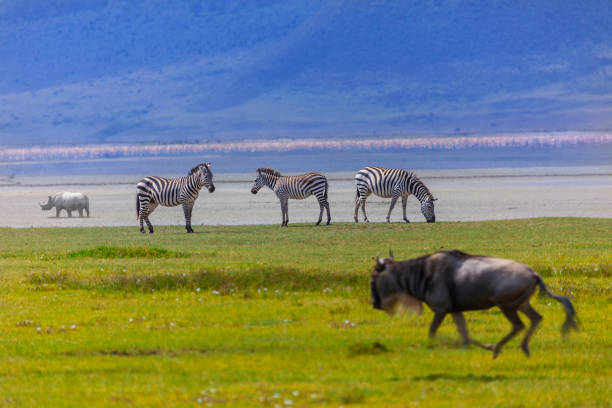
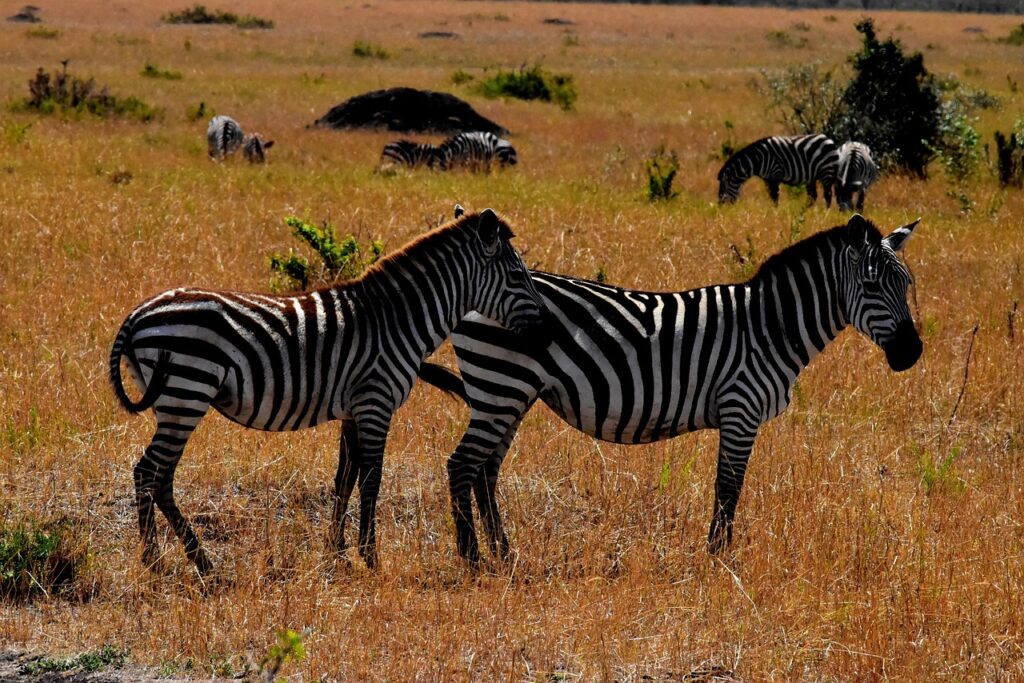
You can see the Big Five (lion, leopard, elephant, buffalo, rhino), plus cheetahs, giraffes, zebras, wildebeests, hippos, crocodiles, and over 500 bird species.
-
4. Is Tanzania safe for tourists?
Yes, Tanzania is generally safe for safari travelers. You will always be accompanied by professional guides, and lodges/camps are secure.
-
5. What type of vehicles are used for safaris?
Most safaris use 4x4 Land Cruisers with pop-up roofs, offering comfort and great wildlife viewing.
-
6. What should I pack for a safari?
Light clothing in neutral colors, a warm jacket for evenings, hat, sunscreen, insect repellent, binoculars, and a good camera.
-
7. Are meals included during safari?
Yes, most safari packages include three meals per day and drinking water. Special diets can be arranged upon request.
-
8. Can children go on safari?
Yes, children are welcome, but some lodges have age restrictions for safety. Family-friendly safaris and private tours are available.
-
9. Do I need vaccinations for Tanzania?
Yes, yellow fever vaccination may be required if traveling from certain countries. Malaria prevention is strongly recommended.
-
10. Can I combine safari with Zanzibar or other beaches?
Absolutely! Many travelers finish their safari with a relaxing beach stay in Zanzibar, Mafia, or Pemba Islands.
Serengeti_Safari_02
- Best price guaranteed.
- No booking fees.
- Professional local guide.


Leave a review