
Highlights
This 4 Days Tanzania Budget Safari Extension is the ultimate short safari for travelers looking to witness Tanzania’s famous national parks in just a few days without compromising on the experience. It combines the raw wilderness of Tarangire National Park, the scenic beauty of Park, the endless plains of the Serengeti, and the wildlife-rich Ngorongoro Crater.
Perfect for adventurers extending a Kilimanjaro climb, Zanzibar beach holiday, or business trip, this safari promises encounters with the Big Five, fascinating landscapes, and rich cultural glimpses — all at an affordable budget.
Tour Highlights
- Explore four iconic national parks in just 4 days.
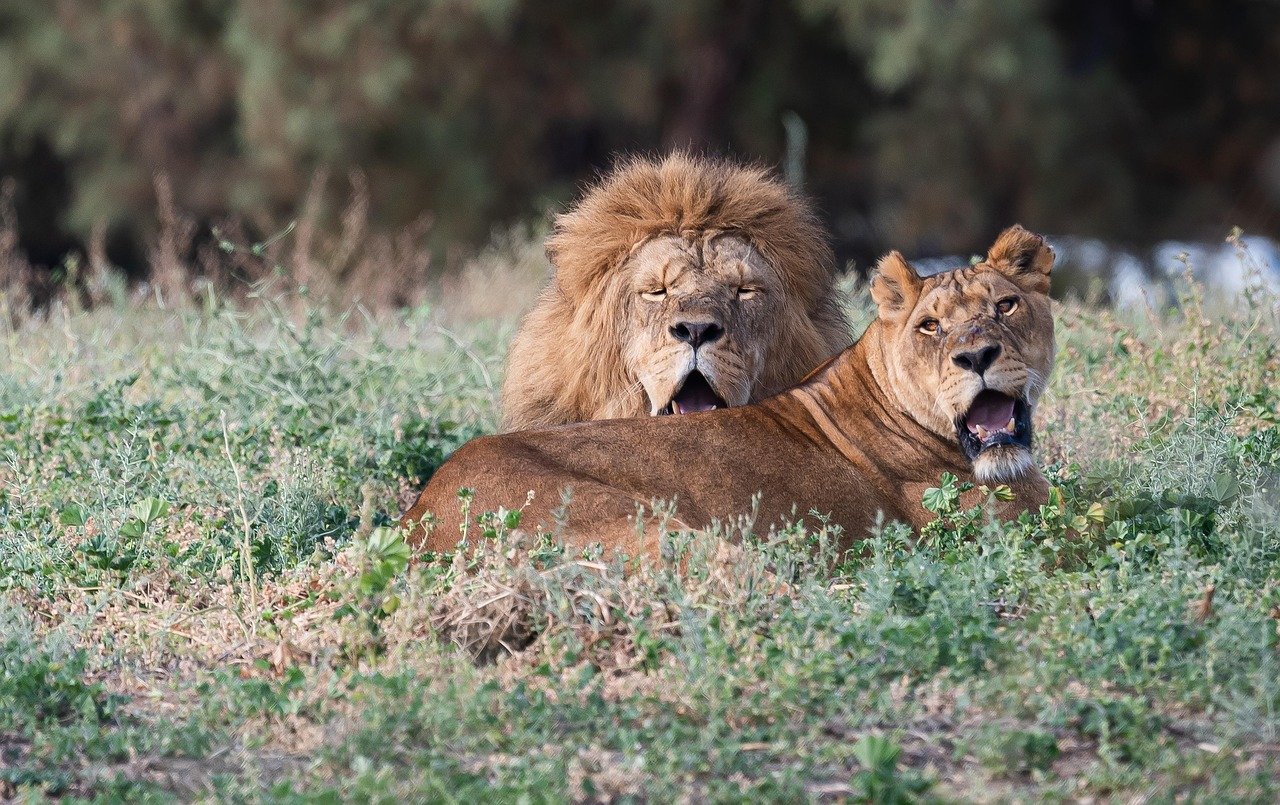
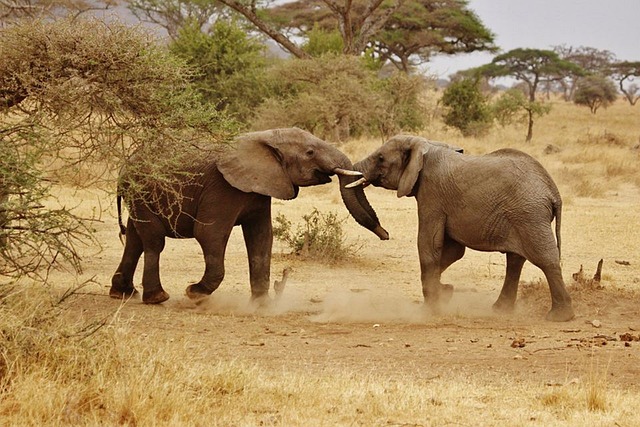
- Witness elephants, giraffes, tree-climbing lions, flamingos, and rhinos.
- Two full days dedicated to Serengeti — home to the Great Wildebeest Migration (seasonal).
- Visit the Ngorongoro Crater, often called the “Eighth Wonder of the World.”
- Affordable safari designed for budget-conscious travelers without compromising comfort.
- Experienced driver-guides ensure maximum game-viewing opportunities.
Why Choose This Safari Extension?
- Comprehensive experience: Covers all the “must-see” parks in Northern Tanzania.
- Short yet fulfilling: Ideal for travelers with limited time.
- Budget-friendly: Uses budget lodges/camps, yet keeps the authentic safari experience.
- Flexible pickup/drop-off: Can start/end in Arusha, Moshi, or Kilimanjaro Airport.
- Big Five Guarantee: High probability of seeing lion, leopard, elephant, buffalo, and rhino.
Day by Day Tour Itinerary Expand all
-
Day 1: Arusha to Tarangire National Park
Your safari begins with an early morning pickup from your hotel in Arusha, Moshi, or directly from Kilimanjaro International Airport. After a short briefing, you drive towards Tarangire National Park, a two to three-hour journey that passes through Maasai villages and open farmland before the landscapes shift into acacia woodlands dotted with giant baobab trees.
Tarangire is famous for its massive elephant herds, often seen along the Tarangire River, which provides the only permanent water source during the dry season. You spend the day exploring the park on game drives, looking out for lions, giraffes, zebras, wildebeests, ostriches, and perhaps a leopard resting in the trees. Bird enthusiasts will also love the park, with over 550 bird species recorded.
After a picnic lunch inside the park and more game viewing in the afternoon, you leave the park in the evening and head to a budget lodge or tented camp in the nearby town of Mto wa Mbu or Karatu, where dinner is served.
-
Day 2: Tarangire to Serengeti National Park
After breakfast, your journey continues with a scenic drive out of Tarangire National Park, leaving behind the majestic baobab trees and large elephant herds that make this park so special. Along the way, you may catch a last glimpse of giraffes, zebras, or antelopes grazing peacefully in the morning light.
The road then leads you toward the world-famous Serengeti National Park, passing through the fertile fields and volcanic landscapes of the Ngorongoro Highlands. Here, you’ll see traditional Maasai villages and cattle herds against a backdrop of rolling green hills.
As you descend into the endless plains of the Serengeti, the landscape opens dramatically—golden grasslands stretching as far as the eye can see. This is the heart of Africa’s greatest wildlife sanctuary.
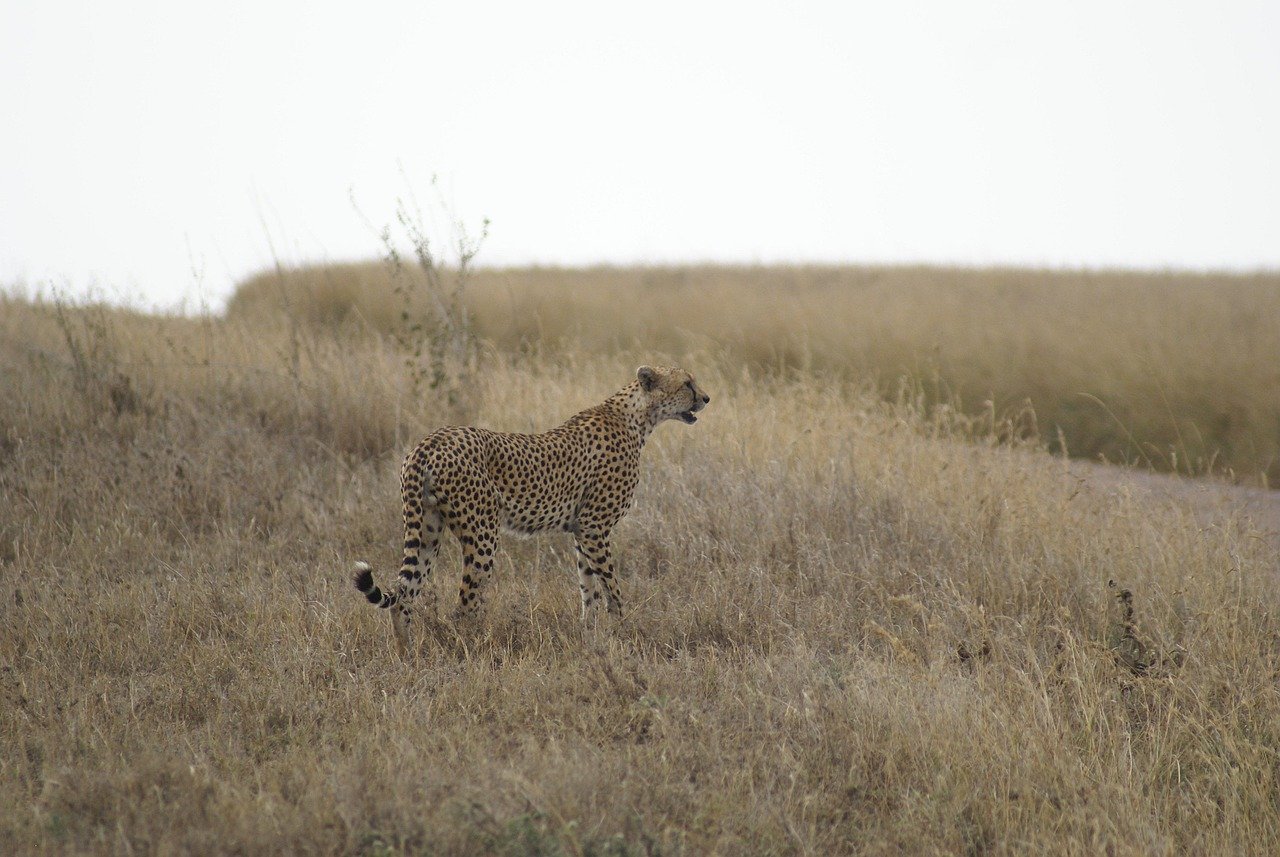
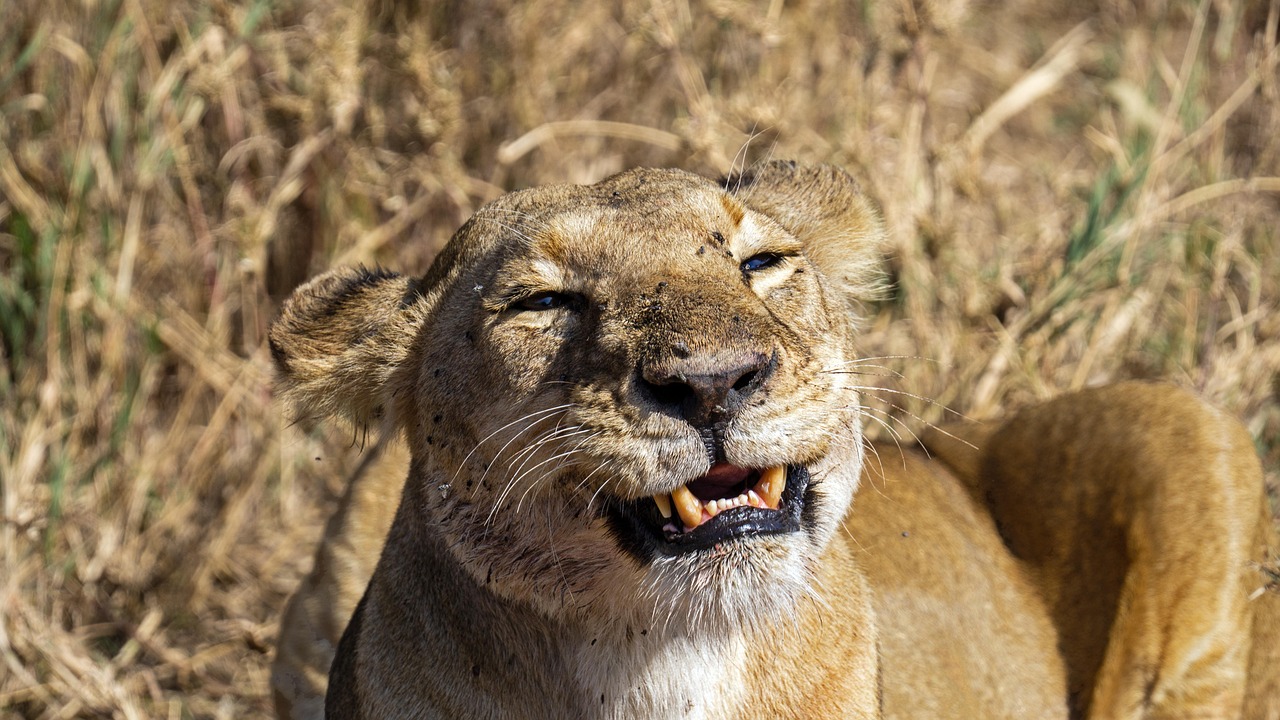
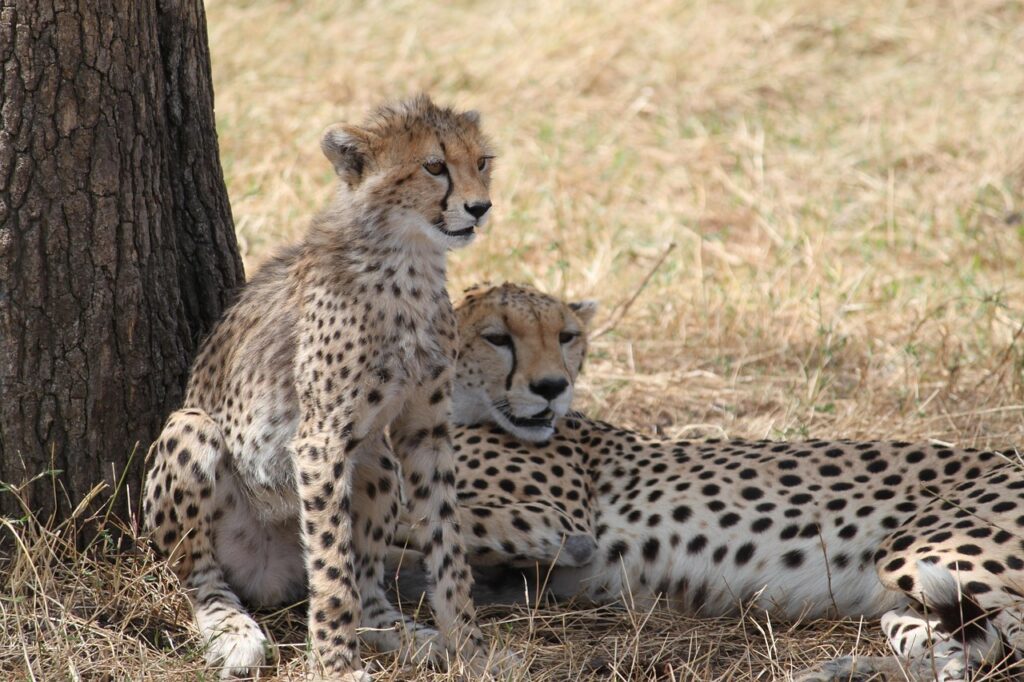
Upon entering the Serengeti, you’ll enjoy your first game drive en route to your camp or lodge in the Seronera area. The central Serengeti is known for its abundance of predators, so stay alert for prides of lions resting under acacia trees, cheetahs scanning the horizon, or even a leopard lounging in the branches.
In the evening, you’ll arrive at your camp or lodge, where dinner and a night under the star-filled Serengeti sky await.
-
Day 3: Full Day in Serengeti National Park
The Serengeti deserves a full day, and today you rise early to catch the animals at their most active. The morning game drive takes you through the Seronera Valley, a region known for year-round wildlife and excellent sightings of big cats. You may come across a pride of lions feeding on a fresh kill, a cheetah sprinting after gazelles, or a leopard perched in a tree.
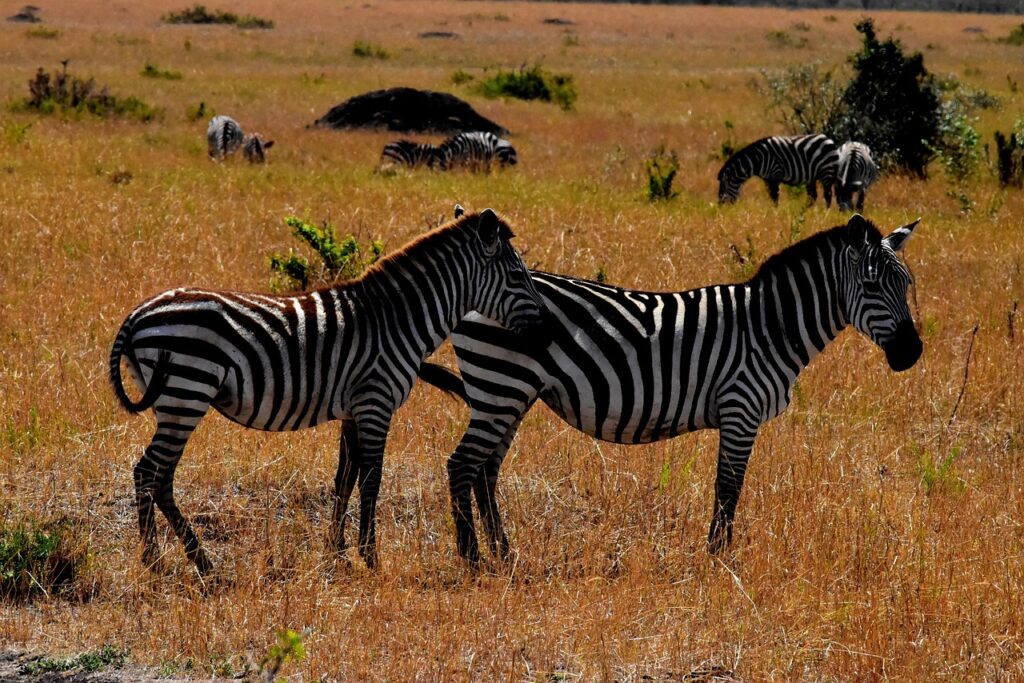
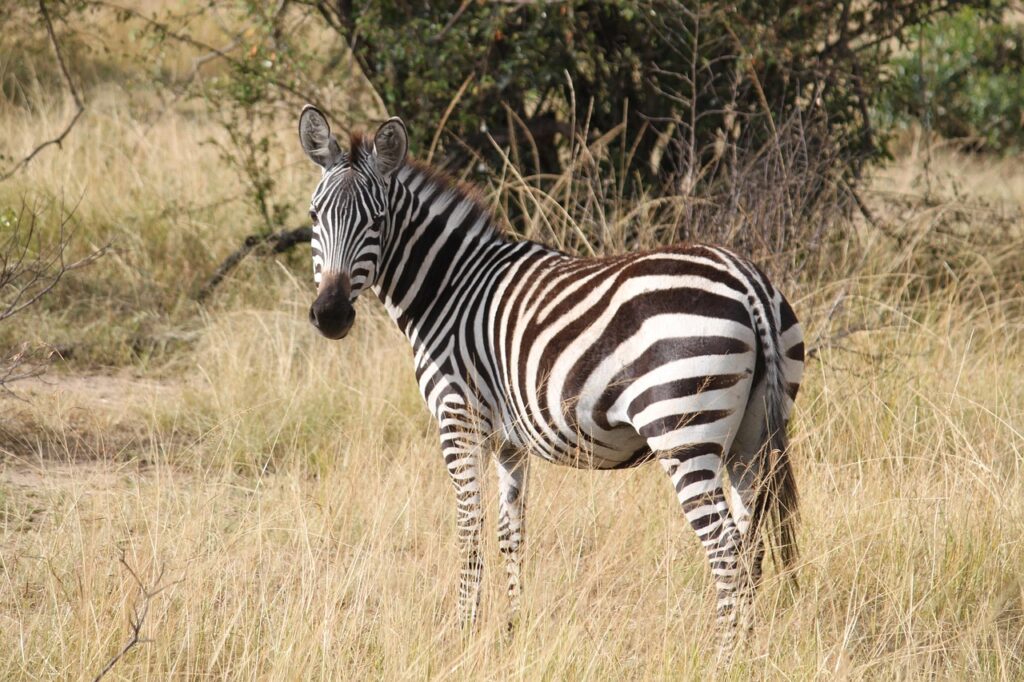
After a picnic lunch in the bush, the afternoon is spent covering more ground in search of wildebeest herds, elephants, giraffes, buffalo, and countless antelope species. Depending on the season, you might also witness the Great Migration, where millions of wildebeest and zebras move across the plains in search of fresh grazing.
As the sun begins to set, you return to your camp for dinner and another night surrounded by the sounds of the African wilderness.
-
Day 4: Serengeti to Ngorongoro Crater and back to Arusha
After breakfast, you leave the Serengeti behind and drive towards the legendary Ngorongoro Crater. Upon arrival, you descend over 600 meters into the crater, an enclosed ecosystem often called the “Eighth Wonder of the World.” The crater floor is a wildlife paradise, home to more than 25,000 animals in a relatively small area.
During your game drive, you may spot the elusive black rhino, large bull elephants, lions resting in the grass, hippos wallowing in pools, and thousands of wildebeest and zebras. The crater’s birdlife is also impressive, with flamingos and crowned cranes adding color to the scenery.
You enjoy a picnic lunch by the hippo pool before beginning the climb out of the crater and driving back to Arusha. You arrive in the evening, where your guide drops you at your hotel or the airport, marking the end of your 4 Days Tanzania Budget Safari Extension.
Tour Includes & Excludes
- 4x4 safari vehicle with pop-up roof
- Accommodation (lodges/tented camps/camping)
- Bottled drinking water during safari
- Government taxes & VAT
- Park entry fees
- Three meals per day
- Professional English-speaking driver-guide
- Travel insurance
- International flights
- Optional activities (balloon safari, cultural visits, walking safaris)
- Personal expenses (laundry, phone, internet, etc.)
- Tips for driver-guide & camp staff
- Visa fees
Gallery
FAQ's Expand all
-
1. When is the best time to visit Tanzania for safari?
The best time is during the dry season (June–October) for excellent wildlife viewing. The wildebeest migration is best seen between December–July in Serengeti.
-
2. Do I need a visa to visit Tanzania?
Yes. Most visitors require a tourist visa, which can be obtained online (e-visa) or on arrival at the airport.
-
3. What animals can I see on safari?
You can see the Big Five (lion, leopard, elephant, buffalo, rhino), plus cheetahs, giraffes, zebras, wildebeests, hippos, crocodiles, and over 500 bird species.
-
4. Is Tanzania safe for tourists?
Yes, Tanzania is generally safe for safari travelers. You will always be accompanied by professional guides, and lodges/camps are secure.
-
5. What type of vehicles are used for safaris?
Most safaris use 4x4 Land Cruisers with pop-up roofs, offering comfort and great wildlife viewing.
-
6. What should I pack for a safari?
Light clothing in neutral colors, a warm jacket for evenings, hat, sunscreen, insect repellent, binoculars, and a good camera.
-
7. Are meals included during safari?
Yes, most safari packages include three meals per day and drinking water. Special diets can be arranged upon request.
-
8. Can children go on safari?
Yes, children are welcome, but some lodges have age restrictions for safety. Family-friendly safaris and private tours are available.
-
9. Do I need vaccinations for Tanzania?
Yes, yellow fever vaccination may be required if traveling from certain countries. Malaria prevention is strongly recommended.
-
10. Can I combine safari with Zanzibar or other beaches?
Absolutely! Many travelers finish their safari with a relaxing beach stay in Zanzibar, Mafia, or Pemba Islands.
Tanzania_Safari_04
- Best price guaranteed.
- No booking fees.
- Professional local guide.


Leave a review