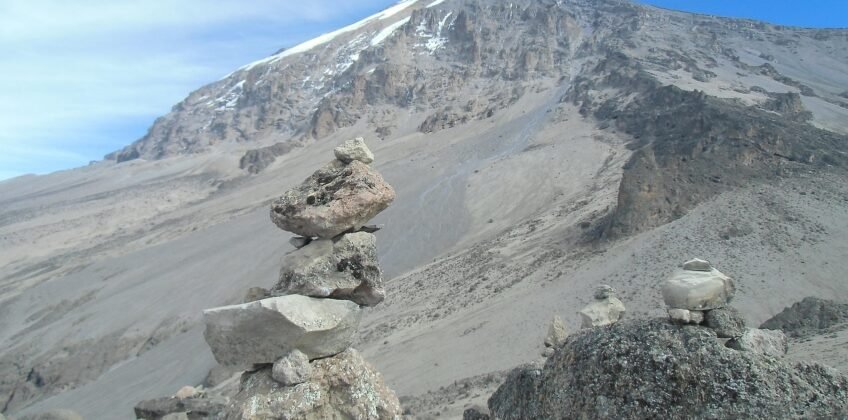
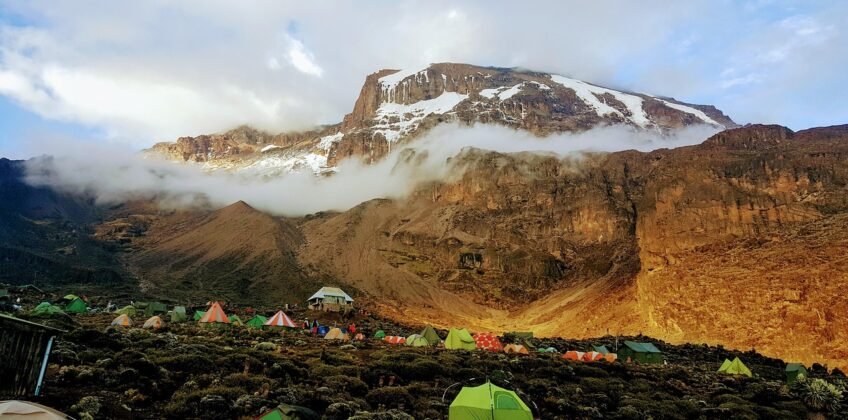
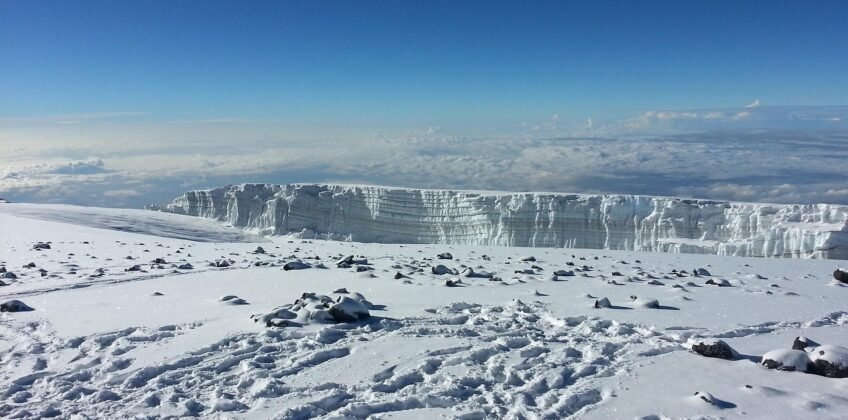
Highlights
The Umbwe Route is one of Kilimanjaro’s most challenging and scenic paths, offering a steeper and shorter ascent compared to classic routes. This 6-day itinerary combines adventure with gradual acclimatization, allowing climbers to safely summit Uhuru Peak (5,895m) while enjoying breathtaking landscapes.
Starting from the lush rainforests of Kilimanjaro’s southern slopes, Umbwe Route climbs through heather zones, alpine desert, and glacial landscapes, rewarding trekkers with dramatic views, solitude, and a sense of true adventure. Unlike the Marangu Route, Umbwe is less crowded, perfect for climbers seeking a more remote and authentic experience.
Why Choose the Umbwe Route?
- Challenging and steep, ideal for experienced or adventurous trekkers.
- Shorter path means less crowded and more wilderness experience.
- Offers stunning views of southern Kilimanjaro slopes and alpine landscapes.
- Professional guides ensure safety, acclimatization, and support.
- Suitable for climbers looking for a dynamic, adventurous route with fewer huts.
Day by Day Tour Itinerary Expand all
-
Day 1: Arrival & Transfer to Umbwe Gate – Umbwe Huts (2,350m)
Pick-up from Moshi or Arusha and drive to Umbwe Gate, where you’ll complete registration and meet your guides and porters. The trek begins through dense rainforest, rich with birds and giant ferns. The first camp at Umbwe Huts (2,350m) offers your initial introduction to Kilimanjaro’s landscapes. Dinner and overnight at the camp.
-
Day 2: Umbwe Huts – Barranco Camp (3,950m)
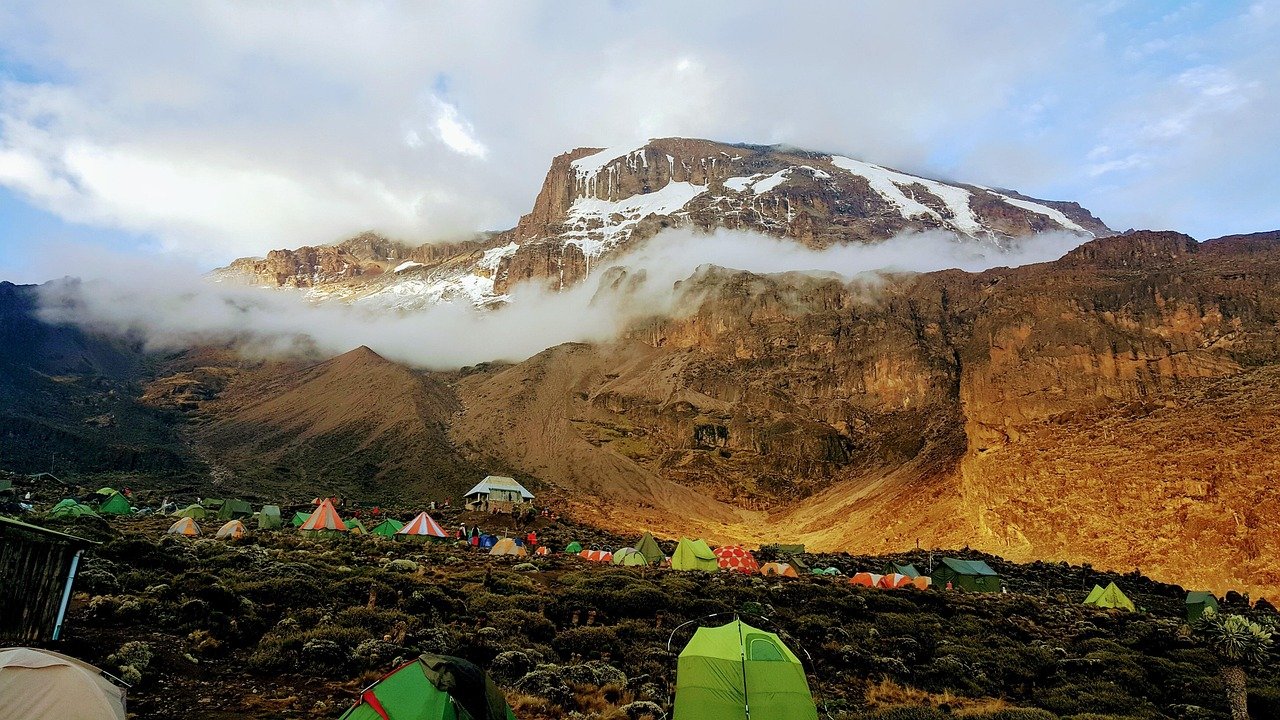
Today, the climb becomes steeper and more challenging, transitioning from rainforest to heather and moorland zones. Trekking through scenic ridges, you’ll witness dramatic views of the southern slopes and Kilimanjaro’s glacial peaks.
You’ll arrive at Barranco Camp (3,950m) in the late afternoon, giving time to rest and prepare for acclimatization hikes around the camp. Dinner and overnight at Barranco.
-
Day 3: Acclimatization & Explore Barranco Wall
Barranco Wall is one of the route’s highlights. Today, you’ll climb and explore the Barranco Wall—a moderate scramble providing panoramic views of Kibo, Mawenzi, and the surrounding valleys. This acclimatization hike prepares your body for the summit push while giving plenty of photo opportunities. Return to Barranco Camp for dinner and overnight.
-
Day 4: Barranco Camp – Karanga Camp (4,035m)
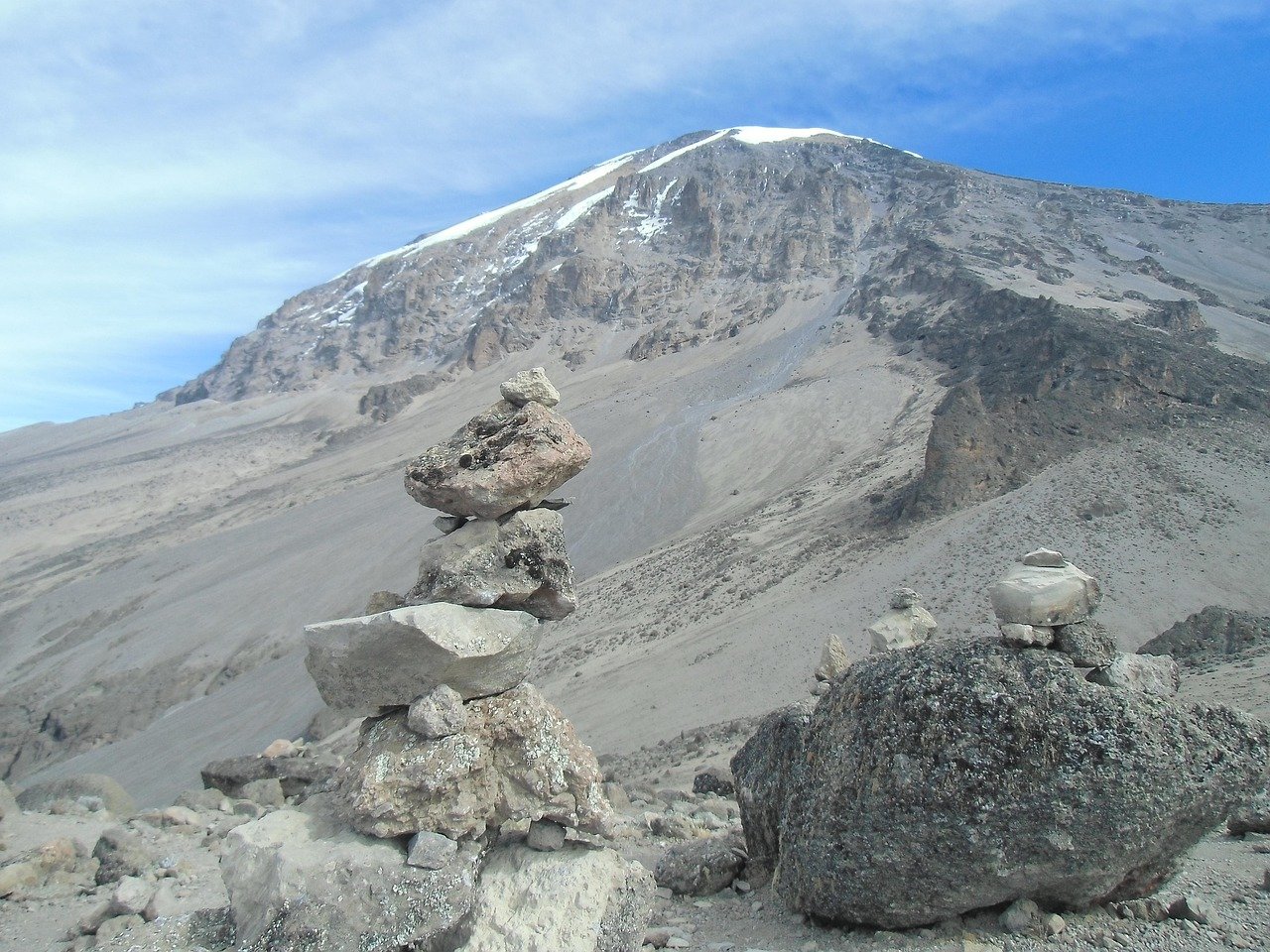
After breakfast, the trek continues through the alpine desert, crossing valleys and ridges with increasingly stunning views of Kibo Glacier. You’ll pass unique flora and volcanic rock formations en route to Karanga Camp (4,035m).
Dinner and overnight at Karanga Camp, resting for the final summit day. This day allows your body to adapt to high altitude in preparation for the push to Stella Point and Uhuru Peak.
-
Day 5: Karanga Camp – Summit Uhuru Peak (5,895m) – Barafu Camp (4,600m)
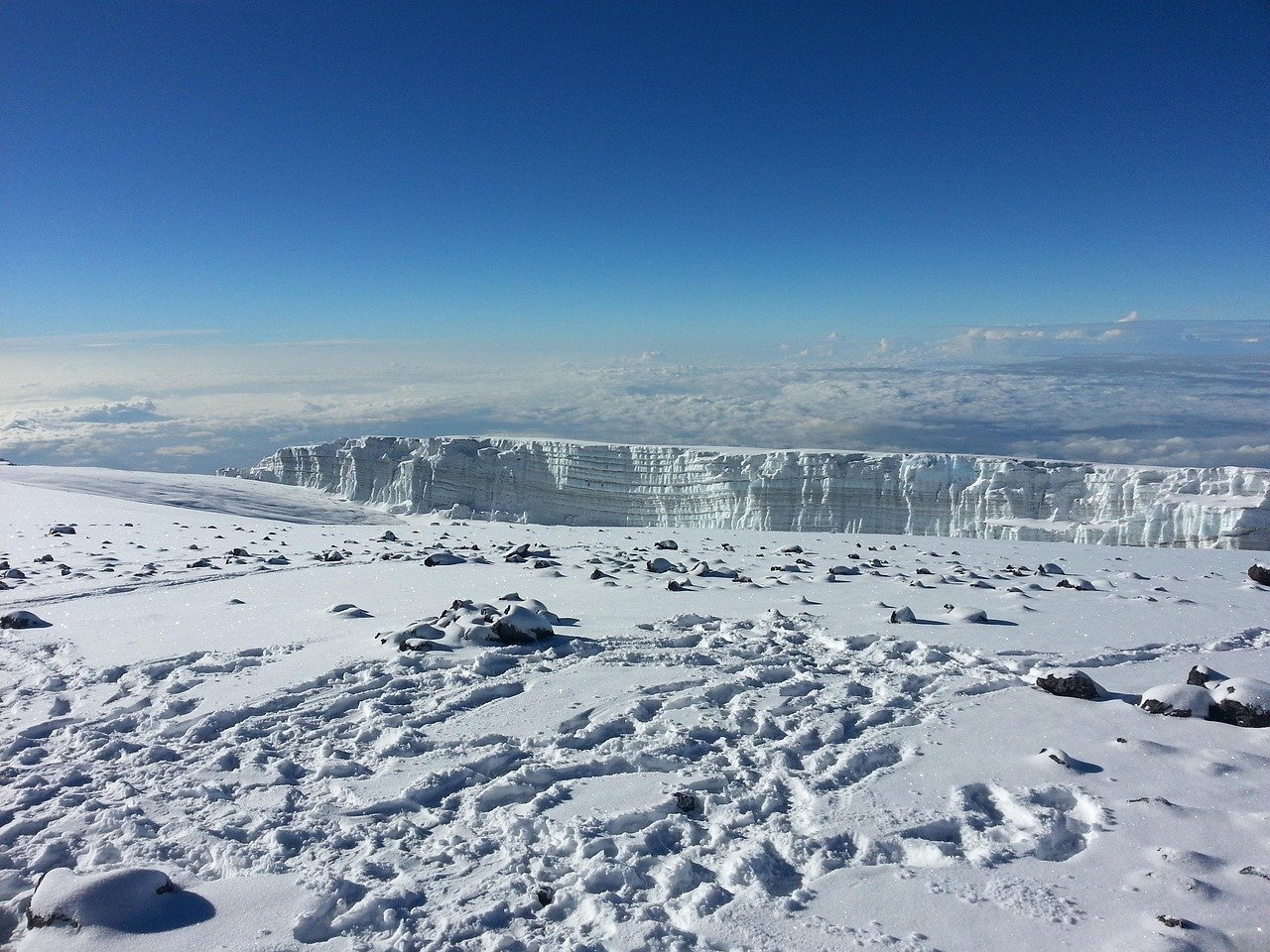
The summit climb begins around midnight, trekking in the alpine desert zone under the stars. The trail is challenging but rewarding, leading to Stella Point on the crater rim at sunrise, followed by the final ascent to Uhuru Peak, Africa’s highest point.
After reaching the summit, descend to Barafu Camp (4,600m) for rest, lunch, and recovery. Overnight at Barafu or continue descending to Mweka Camp, depending on logistics.
-
Day 6: Descent to Mweka Gate – Transfer to Moshi / Arusha
Complete the descent through heather and rainforest zones, returning to Mweka Gate. Celebrate your achievement with guides and porters before a transfer back to Moshi or Arusha. This concludes your 6-day Umbwe Route Kilimanjaro trek, leaving memories of adventure, challenge, and breathtaking scenery.
Tour Includes & Excludes
- Accommodation (lodges/tented camps/camping)
- Camping equipment (tents, tables, chairs)
- Drinking water on the mountain
- Government taxes & charges
- Sleeping mattress
- Professional licensed mountain guides
- Travel insurance
- International flights
- Personal expenses (laundry, phone, internet, etc.)
- Tips for driver-guide & camp staff
- Visa fees
- Personal trekking gear (boots, sleeping bag, poles, warm clothing)
Our Gallery
FAQ's Expand all
-
1. When is the best time to visit Tanzania for safari?
The best time is during the dry season (June–October) for excellent wildlife viewing. The wildebeest migration is best seen between December–July in Serengeti.
-
2. Do I need a visa to visit Tanzania?
Yes. Most visitors require a tourist visa, which can be obtained online (e-visa) or on arrival at the airport.
-
3. What animals can I see on safari?
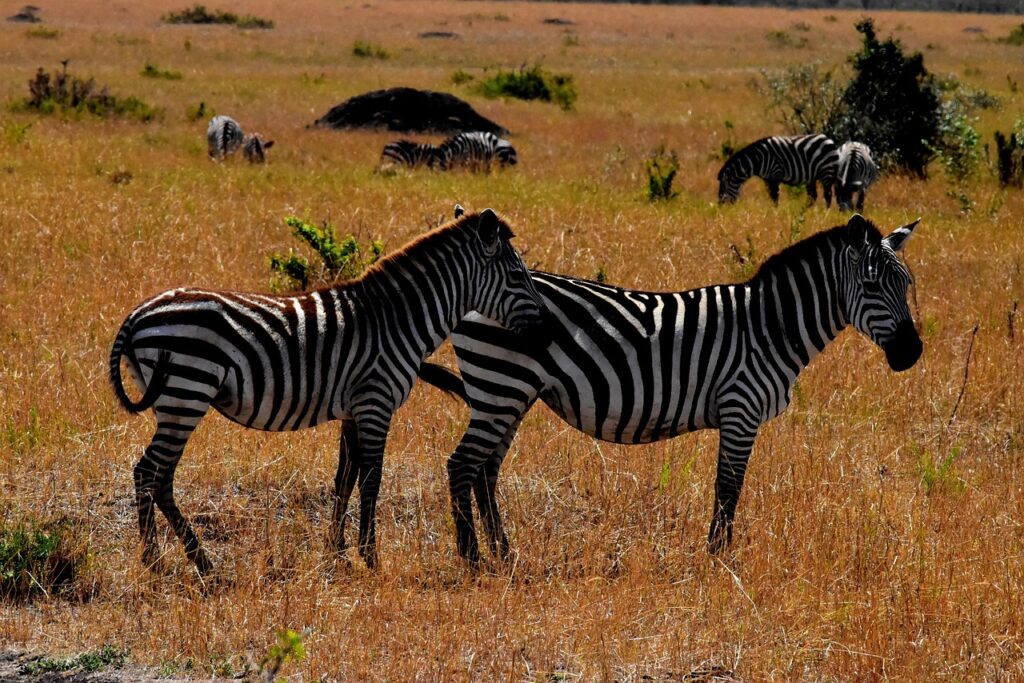
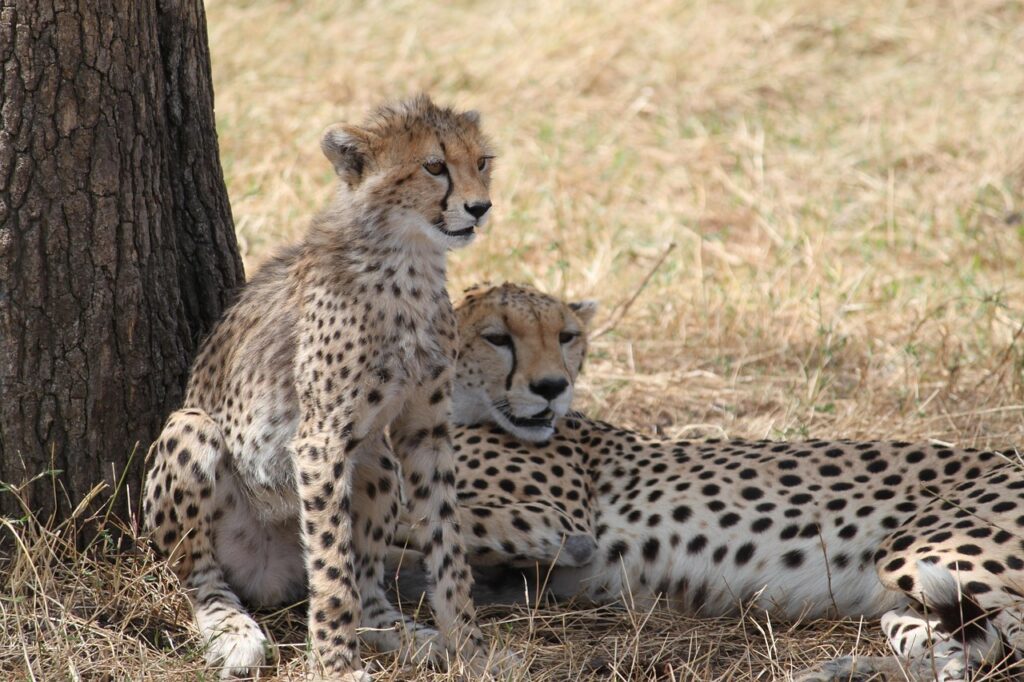
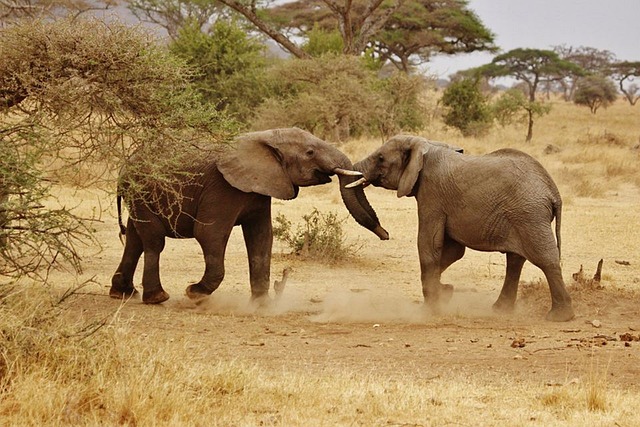
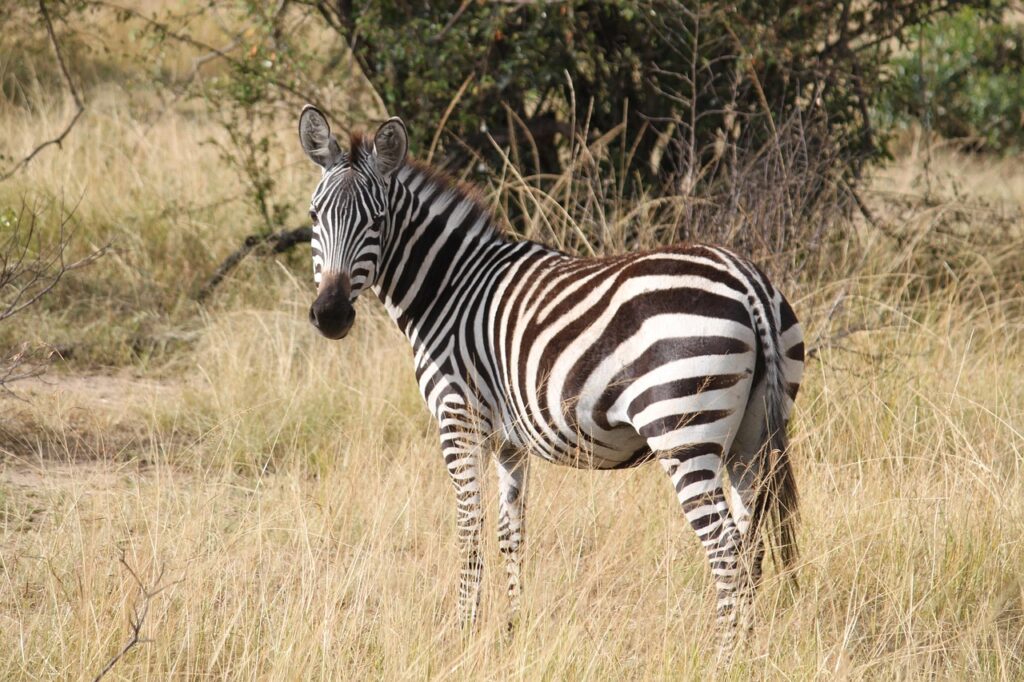
You can see the Big Five (lion, leopard, elephant, buffalo, rhino), plus cheetahs, giraffes, zebras, wildebeests, hippos, crocodiles, and over 500 bird species.
-
4. Is Tanzania safe for tourists?
Yes, Tanzania is generally safe for safari travelers. You will always be accompanied by professional guides, and lodges/camps are secure.
-
5. What type of vehicles are used for safaris?
Most safaris use 4x4 Land Cruisers with pop-up roofs, offering comfort and great wildlife viewing.
-
6. What should I pack for a safari?
Light clothing in neutral colors, a warm jacket for evenings, hat, sunscreen, insect repellent, binoculars, and a good camera.
-
7. Are meals included during safari?
Yes, most safari packages include three meals per day and drinking water. Special diets can be arranged upon request.
-
8. Can children go on safari?
Yes, children are welcome, but some lodges have age restrictions for safety. Family-friendly safaris and private tours are available.
-
9. Do I need vaccinations for Tanzania?
Yes, yellow fever vaccination may be required if traveling from certain countries. Malaria prevention is strongly recommended.
-
10. Can I combine safari with Zanzibar or other beaches?
Absolutely! Many travelers finish their safari with a relaxing beach stay in Zanzibar, Mafia, or Pemba Islands.
Kilimanjaro_Trekking_10
- Best price guaranteed.
- No booking fees.
- Professional local guide.


Leave a review