Highlights
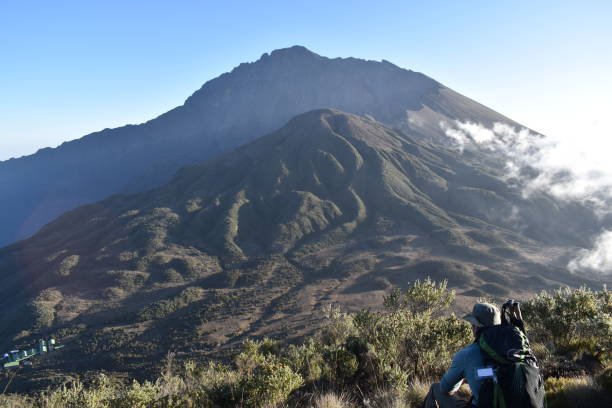
Mount Meru, standing at 4,566 meters, is the second-highest mountain in Tanzania after Kilimanjaro. Located in Arusha National Park, this dormant stratovolcano is often overlooked, yet it offers one of the most rewarding short treks in East Africa.
This 3-day Mount Meru trekking itinerary is perfect for hikers who want to experience the thrill of high-altitude trekking without committing to longer expeditions. Along the way, you’ll pass through lush forests, waterfalls, wildlife-filled landscapes, and alpine vegetation, before reaching the dramatic summit ridge with panoramic views of Mount Kilimanjaro in the distance.
Why Choose the 3-Day Mount Meru Trek?
- A shorter, challenging trek ideal for those with limited time.
- Great acclimatization trek before attempting Kilimanjaro.
- Offers wildlife encounters with giraffes, buffaloes, monkeys, and antelopes.
- Less crowded than Kilimanjaro, ensuring a peaceful trekking experience.
- Summit sunrise views rival any mountain trek in the world.
Trek Highlights
- Explore Arusha National Park on foot.
- Experience the thrill of hiking through dense forests and rocky ridges.
- Stunning views of Mount Kilimanjaro from Meru’s summit.
- Encounter wildlife along the lower slopes.
- A rewarding 3-day adventure with professional guides and rangers.
Day by Day Tour Itinerary Expand all
-
Day 1: Arusha – Momella Gate – Miriakamba Hut (2,500m)
Your trek begins with a transfer from Arusha or Moshi to Arusha National Park. After completing park formalities at Momella Gate, you’ll start your hike accompanied by an armed ranger for safety, as wildlife such as elephants, giraffes, and buffalo may be seen along the way.
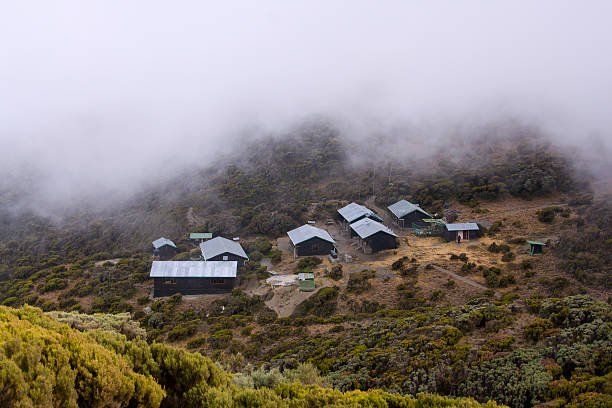
The trail ascends through open grasslands and dense forest, offering the chance to spot monkeys and exotic bird species. After about 5–6 hours of trekking, you’ll arrive at Miriakamba Hut, where you’ll have dinner and overnight rest.
-
Day 2: Miriakamba Hut – Saddle Hut (3,570m)
After breakfast, the trek continues on a steeper path through montane forest and giant heather zones. The climb gradually becomes more challenging, with switchbacks leading to the Saddle Hut, where you’ll rest and prepare for the summit attempt.
In the afternoon, you can take an optional short hike to Little Meru (3,820m) for acclimatization and stunning sunset views across Arusha National Park. Overnight stay at Saddle Hut.
-
Day 3: Summit Attempt (4,566m) – Momella Gate – Arusha
At around midnight, you’ll begin your summit ascent under the stars. The trail is steep and rocky, leading to Rhino Point (3,800m) and onwards along a narrow ridge with breathtaking views.
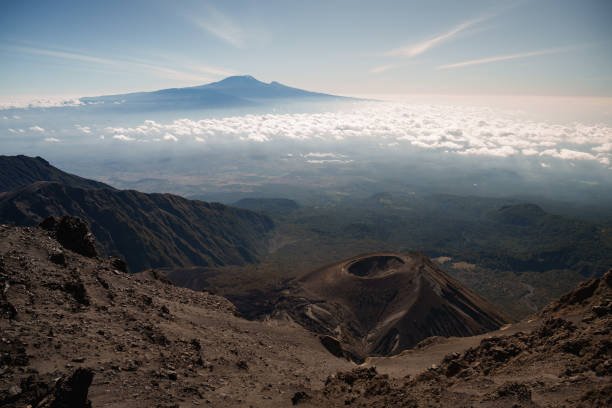
By sunrise, you’ll reach Socialist Peak (4,566m), the summit of Mount Meru, where you’ll enjoy unforgettable panoramic views, including Mount Kilimanjaro towering on the horizon.
After celebrating your achievement, descend back to Saddle Hut for a short rest, then continue all the way down to Momella Gate, where a vehicle will be waiting to drive you back to Arusha or Moshi.
Tour Includes & Excludes
- Accommodation (lodges/tented camps/camping)
- Camping equipment (tents, tables, chairs)
- Drinking water on the mountain
- Government taxes & charges
- Sleeping mattress
- Professional licensed mountain guides
- Travel insurance
- International flights
- Personal expenses (laundry, phone, internet, etc.)
- Tips for driver-guide & camp staff
- Visa fees
- Personal trekking gear (boots, sleeping bag, poles, warm clothing)
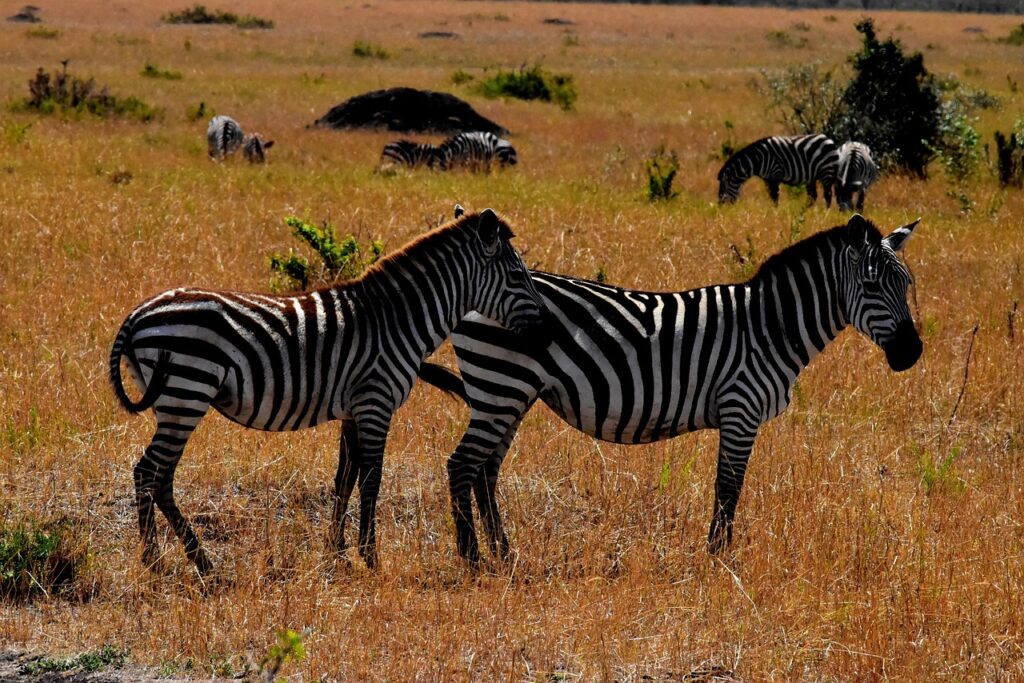
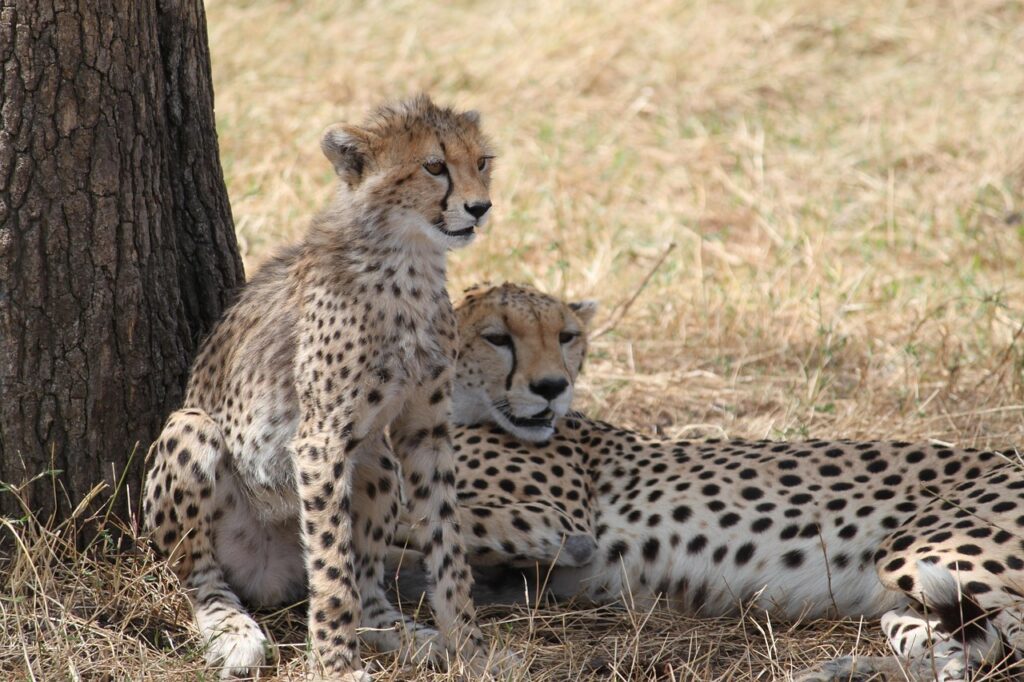
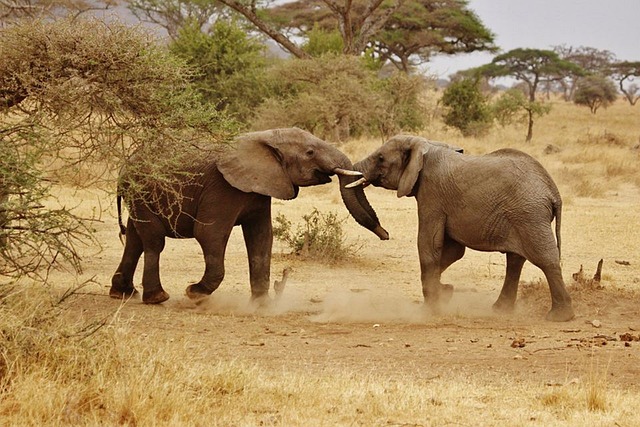
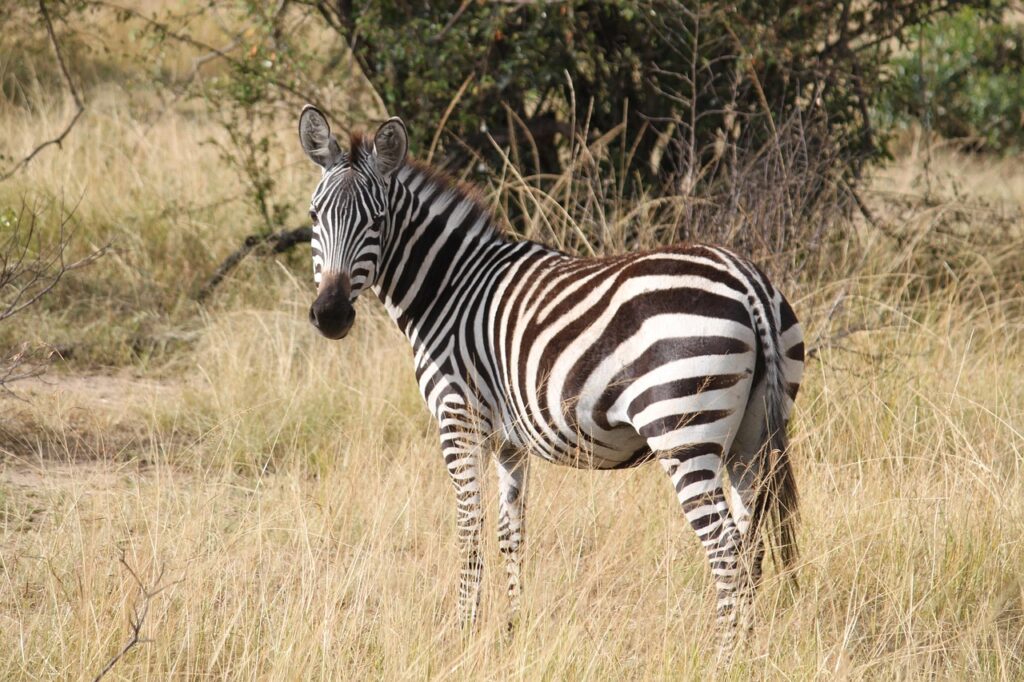
Our Gallery
FAQ's Expand all
-
1. When is the best time to visit Tanzania for safari?
The best time is during the dry season (June–October) for excellent wildlife viewing. The wildebeest migration is best seen between December–July in Serengeti.
-
2. Do I need a visa to visit Tanzania?
Yes. Most visitors require a tourist visa, which can be obtained online (e-visa) or on arrival at the airport.
-
3. What animals can I see on safari?
You can see the Big Five (lion, leopard, elephant, buffalo, rhino), plus cheetahs, giraffes, zebras, wildebeests, hippos, crocodiles, and over 500 bird species.
-
4. Is Tanzania safe for tourists?
Yes, Tanzania is generally safe for safari travelers. You will always be accompanied by professional guides, and lodges/camps are secure.
-
5. What type of vehicles are used for safaris?
Most safaris use 4x4 Land Cruisers with pop-up roofs, offering comfort and great wildlife viewing.
-
6. What should I pack for a safari?
Light clothing in neutral colors, a warm jacket for evenings, hat, sunscreen, insect repellent, binoculars, and a good camera.
-
7. Are meals included during safari?
Yes, most safari packages include three meals per day and drinking water. Special diets can be arranged upon request.
-
8. Can children go on safari?
Yes, children are welcome, but some lodges have age restrictions for safety. Family-friendly safaris and private tours are available.
-
9. Do I need vaccinations for Tanzania?
Yes, yellow fever vaccination may be required if traveling from certain countries. Malaria prevention is strongly recommended.
-
10. Can I combine safari with Zanzibar or other beaches?
Absolutely! Many travelers finish their safari with a relaxing beach stay in Zanzibar, Mafia, or Pemba Islands.
Meru_Trekking_01
- Best price guaranteed.
- No booking fees.
- Professional local guide.


Leave a review